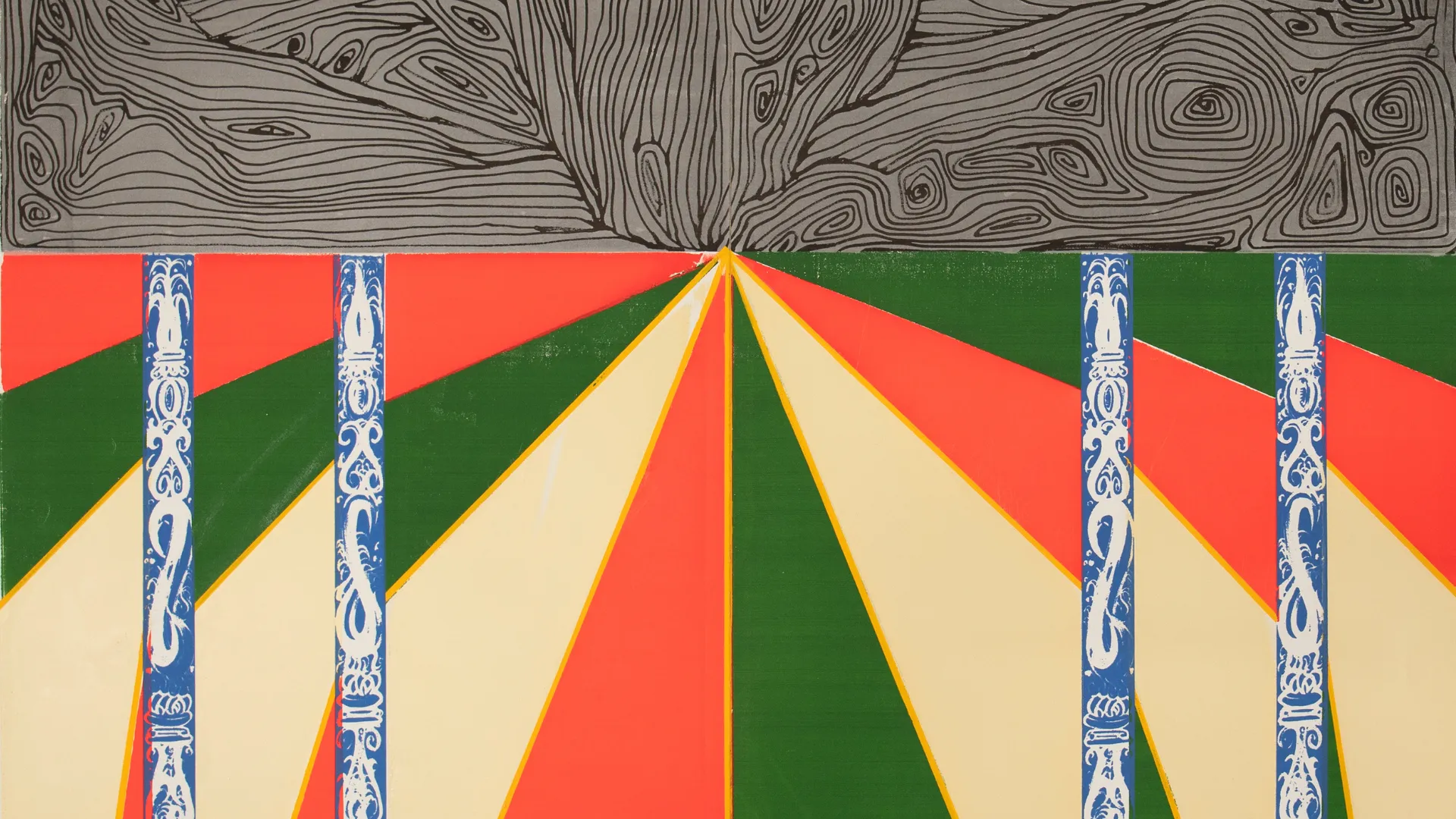
About Robert Freimark
Born in 1922, Robert Freimark was an artist, mentor, professor and writer.
Originally from rural Michigan, Freimark and his family moved to Toledo, Ohio when he was eight years old. His classmates selected him to exhibit his work at the Toledo Museum of Art, and that first exhibition sparked a passion that he would carry through the rest of his life.
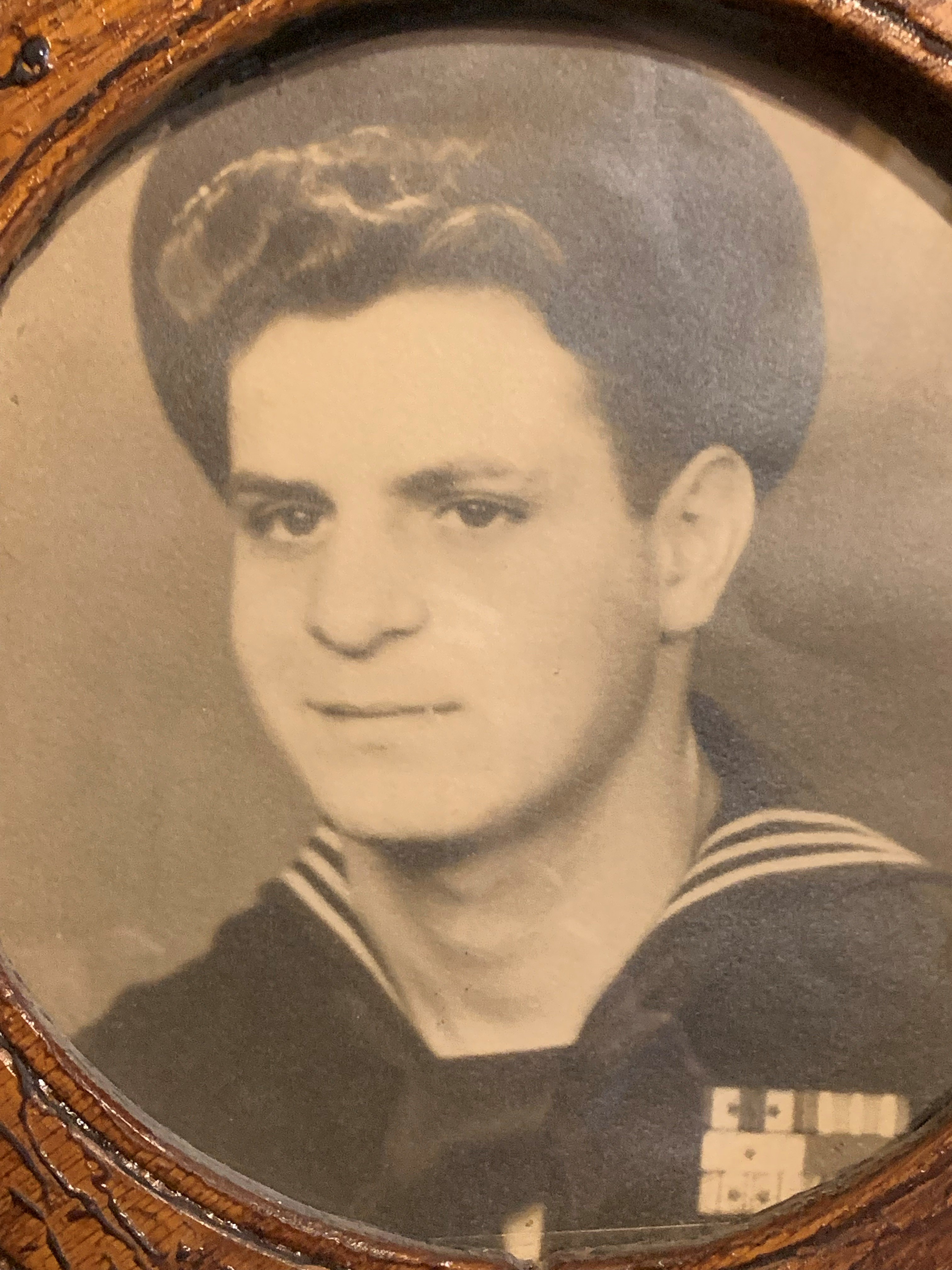
From 1939 to 1946, Freimark served in the US Navy where he was stationed in the Pacific Theater. After leaving the Navy, Freimark used funding from the GI Bill to earn a college degree.

Freimark began his long teaching career at the Toledo Museum of Art and Ohio University in Athens before later joining the faculty at San José State University.

In the 1960s, he received a Rehabilitation Through Art grant, which allowed him to open a studio and work with inmates at Soledad State Prison, an experience that reflected his belief in the transformative power of art. He was also invited to serve as a guest artist and visiting professor at Harvard University’s Carpenter Center for the Visual Arts, where he founded the lithography studio.
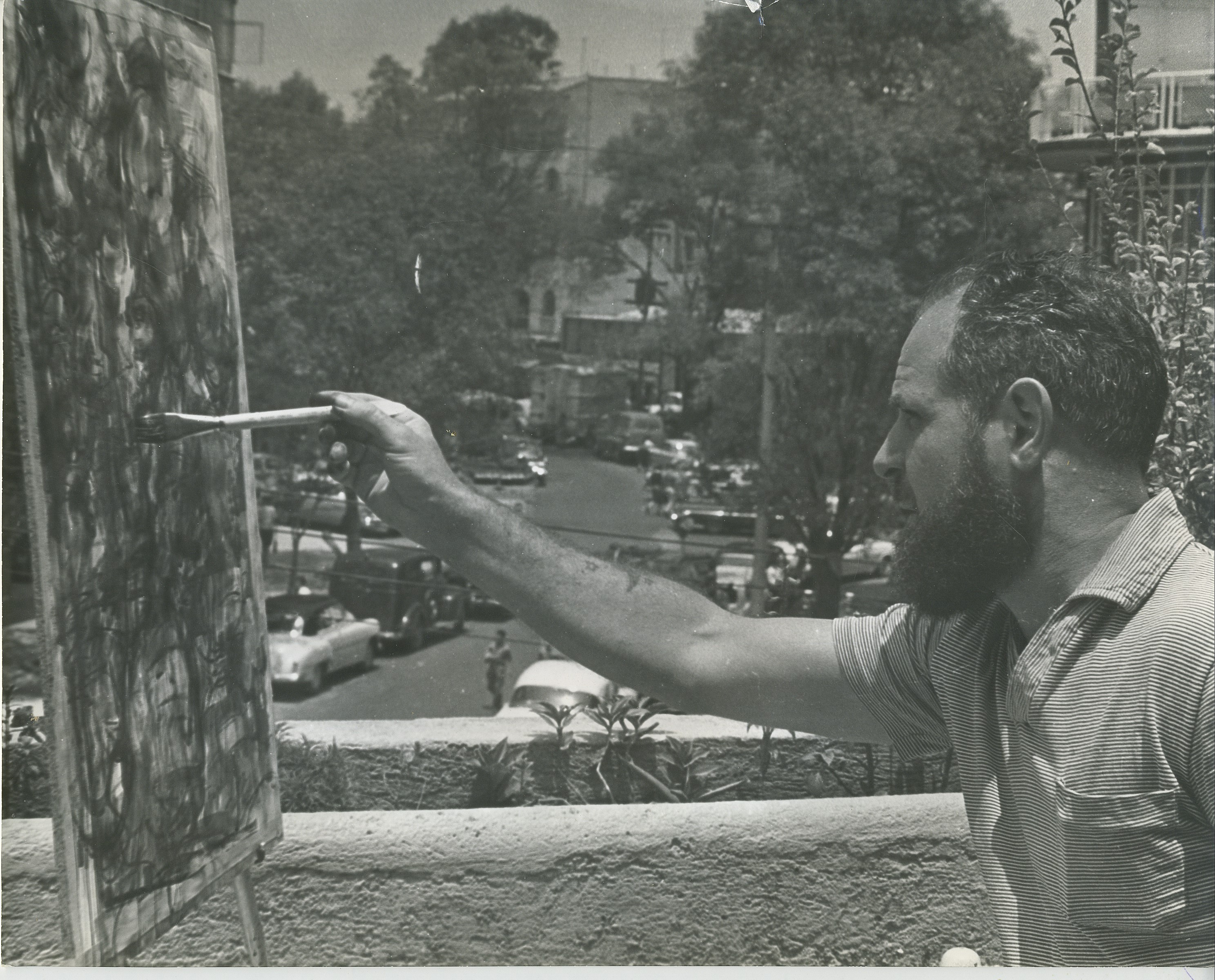
In 1984, Freimark helped establish the National Park Service’s Artist-in-Residence program, beginning at Yosemite National Park in California.
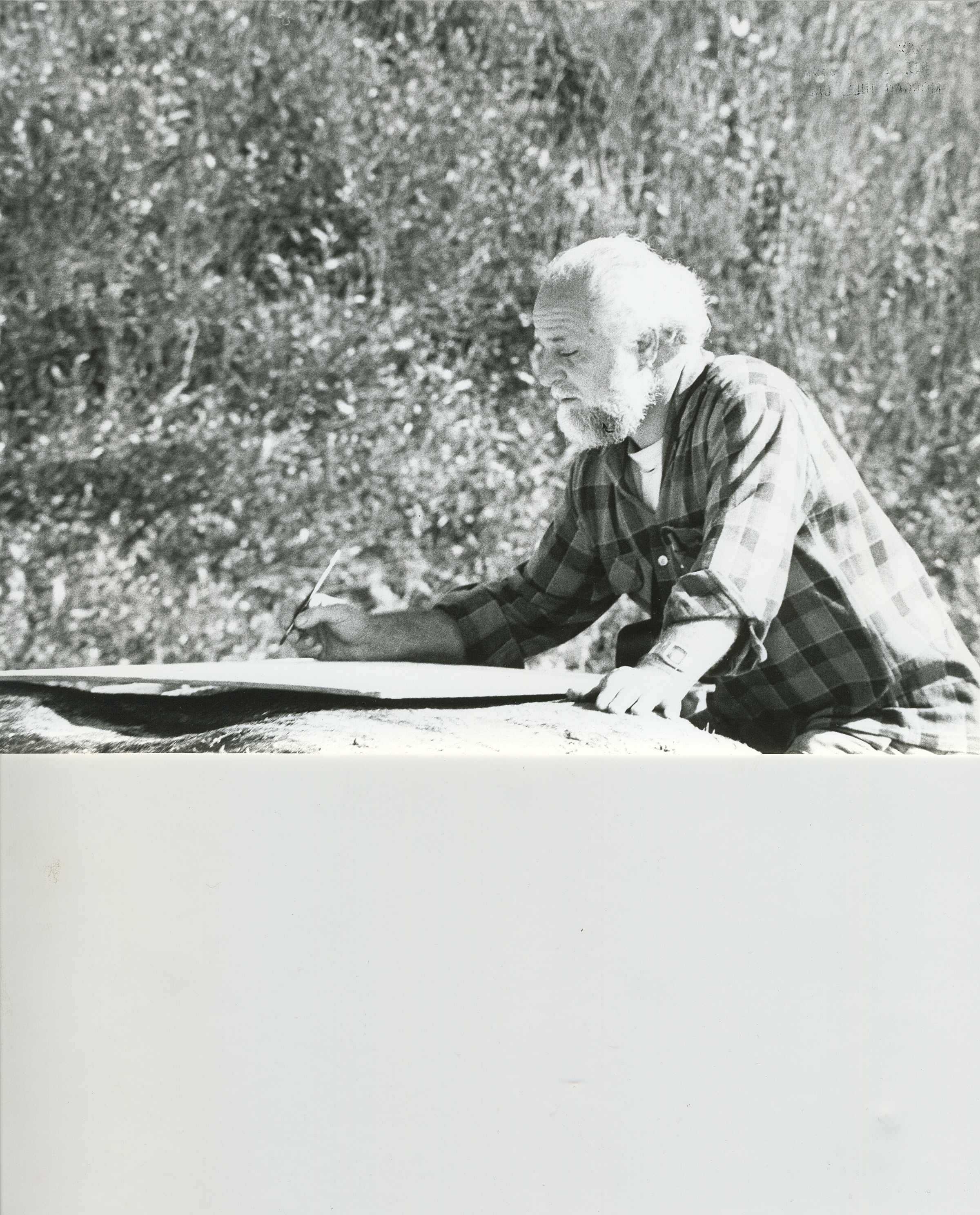
Before his death in 2010 at the age of 88, Freimark’s work had been featured in more than 250 solo exhibitions and in many prominent collections around the world.
Silkscreen printing
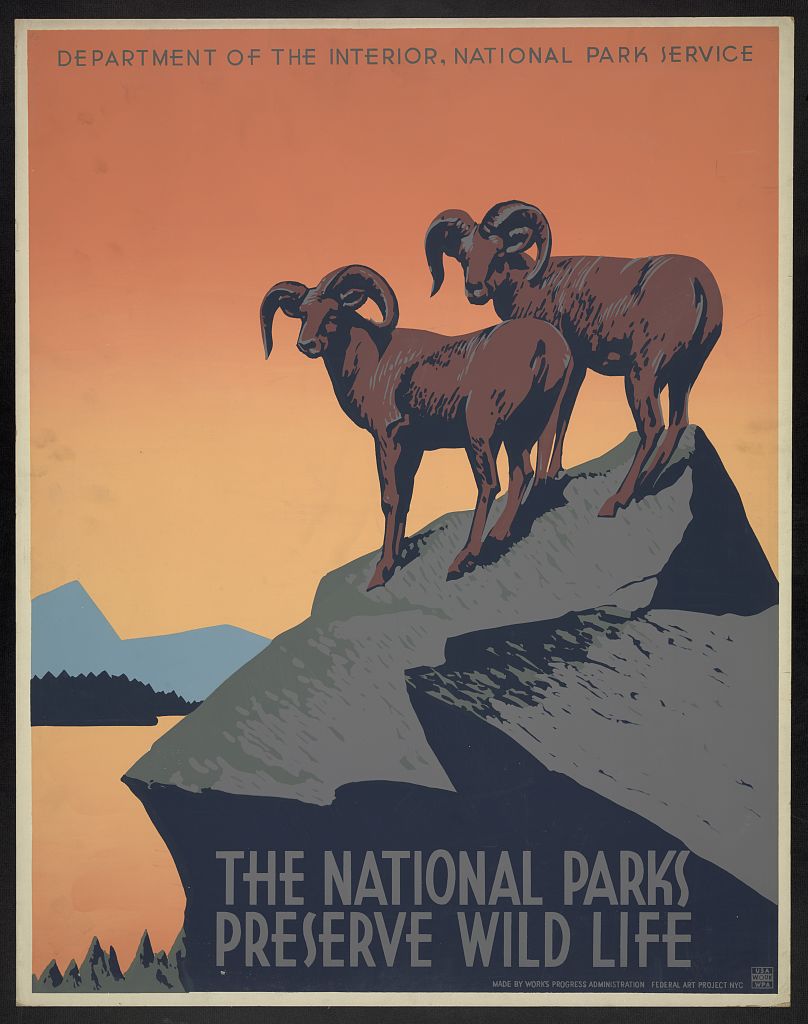
Silkscreen printing traces its origins to the stencil practices of ancient China and Japan. Artisans used screens made of silk threads to mark textiles. This technique entered the broader American art world in the 1930s.
During the Great Depression, the Works Progress Administration employed artists during the New Deal Era to make over 2 million screen printed posters, including the National Park poster series.
In 1960s America, printmaking captured the imagination of the art world, fueled by innovations in commercial and graphic design. Movements like Pop Art, artists such as Warhol and Lichtenstein, drew heavily on consumer culture, incorporating imagery from newspapers, magazines, and other mass media.
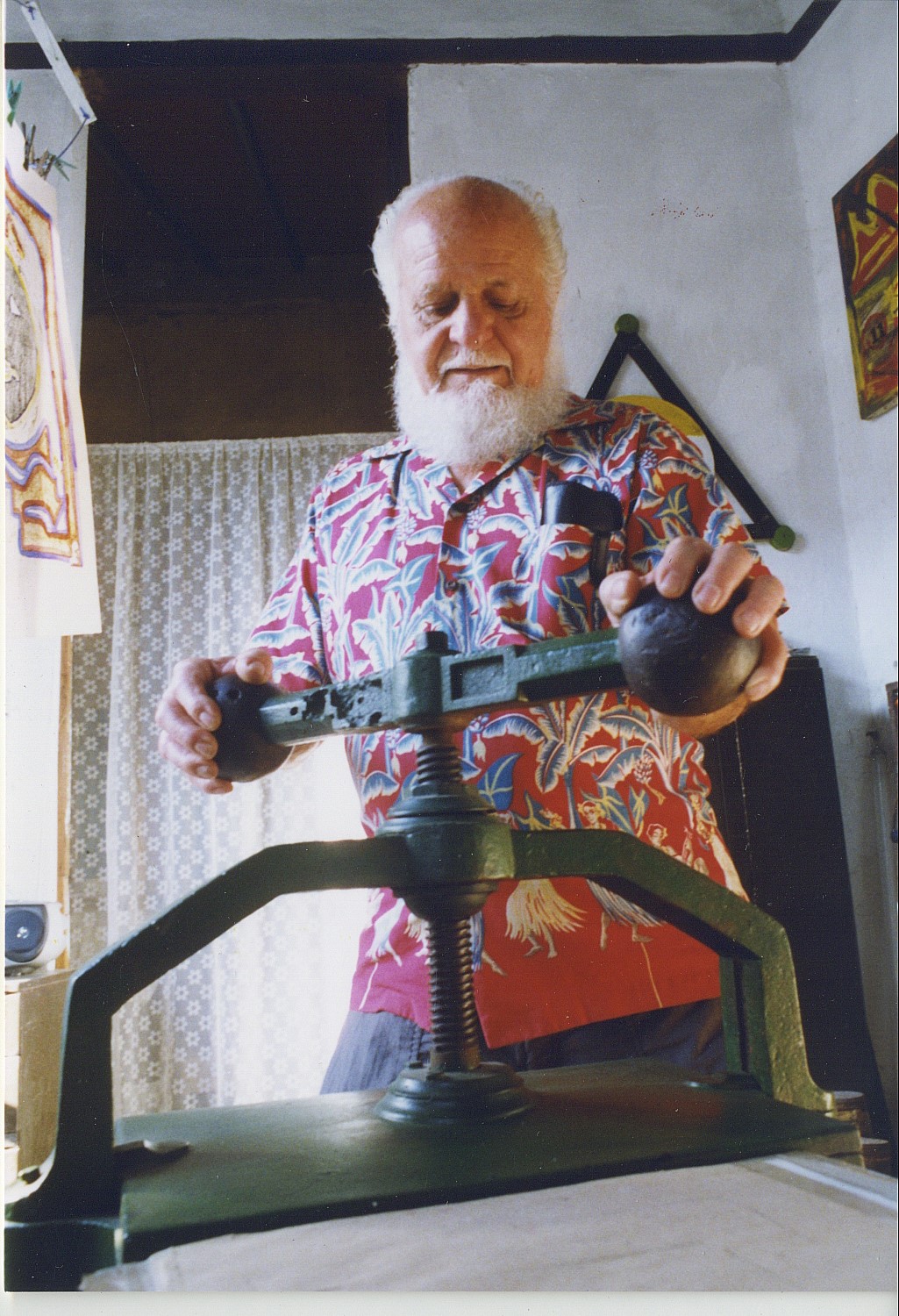
Artists like Freimark embraced the practice of screen printing by hand. Screen printing is a meticulous, layered process in which ink is forced through a fine mesh screen onto paper or fabric.
Each color requires its own screen, giving the artist the ability to build intricate designs and achieve depth and texture through successive layers.